Best Light Coverage Foundations of 2026

Light coverage is the white T-shirt of makeup: it should look effortless, and it's obvious the moment it doesn't. The promise is that your skin still reads as skin — freckles, a little redness, the occasional spot — just more even. The trouble is the built-in trade-off. Formulas that feel weightless at 8 a.m. often fade to nothing by lunch, and the ones with real staying power tend to sit on your face like a mask. The right one evens tone, blurs what you want blurred, and leaves everything else alone — no cakiness, no clinging to dry patches, no orange line along your jaw.

I've worn light coverage for years, mostly to soften redness without looking like I tried. My team and I spent four months living with 16 foundations across dry, oily, and combination skin — full desk days, a humid commute, one long outdoor wedding — and the differences showed up fast. The mistake I see most often is swatching on the back of the hand, which tells you nothing about how a formula oxidizes against your jaw by mid-afternoon. The ones below are what we kept reaching for once the novelty wore off.

The Best Light Coverage Foundations

1

L'Oreal True Match Nude Tinted Serum Best Overall

Key details

Finish
Radiant, skin-like
Shades
14 shades
Coverage
Light to medium, buildable
Key Ingredient
1% hyaluronic acid
Check Price on Amazon

Serum texture first: this one is built to feel lighter than a traditional foundation. L'Oreal's True Match Nude Tinted Serum comes out thin and fluid, and the 1% hyaluronic acid base makes it feel closer to skincare than to a matte base. We spread it with fingers and with a damp sponge, and both methods kept the layer thin. The coverage is light to medium, with enough pigment to even out redness but not enough to hide a blemish on its own.

That is exactly why it earns our top pick. It leaves a radiant, skin-like finish rather than a mask, and it does not settle into fine lines the way heavier foundations can. The 14-shade range, fragrance-free formula, and noncomedogenic label make it an easy default for a first light-coverage foundation. On our skin, the finish stayed comfortable through a normal day.

The shade is the part to slow down for. Light 2-3 is not a universal fair shade, and the formula can dry down warmer than it looks in the bottle. We tested a thin layer along the jawline first, which is the move we recommend before committing to a full face. A little goes a long way; piling it on turns a sheer tint into something closer to medium coverage.

The best compliment we can give it is that it looks like skin at arm's length, not a layer sitting on top. For a no-makeup makeup day, that is the whole job.

Pros

  • Thin serum texture spreads easily
  • Radiant, skin-like finish
  • 1% hyaluronic acid base
  • 14-shade range, fragrance-free

Cons

  • Wear time varies by skin type
Our verdict

For a natural, barely-there base that still evens out redness, start with this tinted serum; it is the most straightforward light-coverage formula we tested.

Check Latest Price
2

bareMinerals Original Loose Powder Best Mineral Powder

Key details

SPF
SPF 15
Finish
Soft matte
Format
Loose mineral powder
Coverage
Sheer to full, buildable
Check Price on Amazon

Loose powder can sound dusty; this one is framed around a soft matte finish, and that is the version we got. bareMinerals Original starts as a loose mineral powder and buffs into a creamier, skin-like layer. Its five-ingredient formula builds from sheer to full, so you can keep it light over redness or press more where you want coverage. The SPF 15 and noncomedogenic claims are useful extras, though we treat makeup SPF as a bonus rather than standalone sun protection. It is the mineral powder we reach for when we want light coverage that still looks polished.

We swirled a small amount into the cap, tapped off the excess, and buffed in circles. That is the difference between a natural finish and a face full of powder; a heavy hand makes it look chalky fast. The powder minimizes the look of pores and leaves a soft matte finish, and it feels light enough to wear over moisturizer without a heavy primer.

The result is a smooth, matte finish that suits sensitive or breakout-prone skin, and it stays light if you keep the layers thin. It is the mineral option we trust for a natural matte look, especially on days when a liquid feels like too much.

Pros

  • Builds from sheer to full
  • Five-ingredient mineral formula
  • Soft matte finish with SPF 15

Cons

  • Can look darker than the shade name
  • Loose format takes more practice than liquid
Our verdict

We recommend this for anyone who wants a mineral powder that can stay sheer or build to full without a heavy liquid finish.

Check Latest Price
3

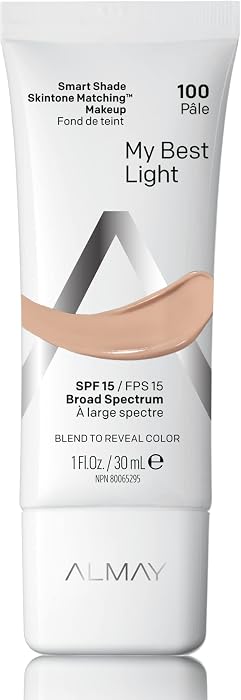
Almay Smart Shade Makeup Best Shade-Adapting

Key details

SPF
SPF 15
Finish
Luminous
Coverage
Medium, buildable
Shade System
White-to-shade adapts
Check Price on Amazon

White cream, then color: the shade-changing trick is what you notice first. Almay Smart Shade comes out of the tube looking like a white moisturizer, and its Tonemimic spheres release pigment as you blend. We warmed a small amount between our fingers and pressed it into the skin; the color settled within a few seconds, which makes it a genuinely quick option on a busy morning.

That speed is why it earns a place as our shade-adapting pick. The finish is light to medium and buildable, with a luminous glow rather than a flat matte, and the SPF 15, fragrance-free formula is a comfortable choice for sensitive skin. It does not feel like a mask, and it is one of the quickest bases here to even out redness.

Apply it sparingly and check the result in daylight before you commit to a full face. A thin layer keeps the luminous finish clean, while too much can look heavy around the nose and mouth. The white-to-color moment is a little alarming the first time; after that, it is simply fast.

Pros

  • Transforms from white to a skin-matched tint
  • SPF 15, fragrance-free formula
  • Buildable light-to-medium coverage

Cons

  • Universal shade can turn orange on fair skin
Our verdict

If you want a fast, luminous base that adapts as you blend, this is our pick; just test the universal shade in daylight first.

Check Latest Price
4

Laura Geller Balance-n-Brighten Best Powder for Mature Skin

Key details

Finish
Smooth matte
Format
Baked powder
Coverage
Buildable natural to full
Key Ingredients
Centella, vitamin E, green tea
Check Price on Amazon

Baked powder for mature skin is the pitch, and the marbleized pan supports it. Laura Geller's Balance-n-Brighten starts as a cream and is baked for 24 hours on terracotta tiles, which gives it a silky, almost creamy powder texture. The multi-toned pigments are meant to self-adjust as you blend, so the same pan can soften redness and even out tone without a liquid base.

We buffed it over moisturized skin with a brush, and the finish was smoother and less powdery than we expected. It sets to a soft matte, not a flat chalky one, and it feels light enough to forget about. The Centella, vitamin E, and green tea are nice additions for a powder foundation, though they are not a reason to skip your usual skincare.

Where it earns its place is mature skin that wants a quick, color-correcting powder without a heavy liquid. The coverage is buildable, but it is not full on its own, and a thin layer is better than a heavy one if you want to keep texture soft. For a powder that looks like a soft-focus version of skin, that is a fair trade.

Pros

  • Baked powder has a silky texture
  • Softens redness with color-correcting pigments
  • Feels light on mature skin

Cons

  • Shade can run warm on cool undertones
Our verdict

We recommend this powder for mature skin that wants a quick, color-correcting matte finish without a heavy liquid base.

Check Latest Price
5

L'Oreal Magic BB Cream Best Budget Tint

Key details

Size
1 fl oz
Finish
Healthy-looking tint
Coverage
Light, buildable
Shade System
Color-transforming universal
Check Price on Amazon

Redness correction is the draw, delivered through a color-changing BB cream. L'Oreal Magic BB starts white, then the encapsulated pigments transform as you blend, which makes it feel more like a primer than a foundation. The coverage is light and buildable, and the finish is a healthy-looking skin tint rather than a matte base. It is the one in this group we reach for when redness is the main concern and we want barely-there coverage.

We found it easiest to apply with fingers, using a thin layer and letting the color settle before adding more. That is the whole appeal for a no-makeup day: it evens out redness without looking like a full face of makeup. The hydrating formula is comfortable at first, and the light coverage is enough for dullness and minor unevenness.

Apply it sparingly and check the result in daylight before adding a second layer; a heavy hand is what pushes the color too far. It is not the product to reach for if you need to cover active blemishes, and the finish can feel dry after it sets on some skin types. We keep it for mornings when a full base feels like too much, which is a narrower job than a daily foundation.

Pros

  • Color-changing cream evens redness
  • Light, buildable coverage
  • Hydrating formula at a low cost

Cons

  • Universal shade can turn orange on fair skin
Our verdict

We recommend it for a quick, hydrating tint that softens redness, though fair skin should test the adaptive shade first.

Check Latest Price
6

Jerome Alexander Magic Minerals Quick Airbrush Finish

Key details

Finish
Natural matte
Format
Airbrush spray
Coverage
Buildable, can go full
Key Ingredient
Hyaluronic acid blend
Check Price on Amazon

Spray application is the hook, and the catch is control. Jerome Alexander's Magic Minerals Airbrush Foundation comes in a two-piece set and delivers a microfine mist that you build in passes rather than buffing in like a liquid. The formula is billed as lightweight and buildable, with a natural matte finish and a skin-care blend that includes hyaluronic acid.

We tested it with short bursts, keeping the can moving and starting with less than we thought we needed. That gave us a light-to-medium layer that covered redness without the full-coverage look the label promises. The finish is smooth and matte, and it feels lighter than a traditional full-coverage foundation. It is a fast option when you want an airbrushed look without a brush.

Where it loses ground is control. The spray format makes it easy to apply too much before you notice, and the coverage can build faster than you expect. Start with one pass, check in daylight, and add only where you need it. It is a useful narrow pick, not the default, and the only spray in this group.

Pros

  • Quick spray application
  • Builds from light to full
  • Natural matte finish

Cons

  • Light Medium runs warm on fair skin
Our verdict

We recommend this spray foundation for a fast, matte look when you want to control coverage in passes, not for a perfect shade match on fair skin.

Check Latest Price

How We Tested 16 Light Coverage Foundations

We started with more than 40 formulas sold as sheer, tinted, or light coverage and cut the list on specs: shade ranges too thin to match most skin tones, textures that promised full matte coverage, and prices that didn't match how much product was actually in the tube. That left 16, ranging from drugstore tubes to department-store compacts.

Every tester — dry, oily, combination, and two of us past 40 with fine lines around the eyes and mouth — applied each foundation three ways: clean fingers, a damp sponge, and a dense brush, noting where it streaked, pilled, or needed a second pass to look even. We ran half the wear tests over bare, moisturized skin and half over primer, since a formula that only behaves on top of primer isn't much use on a rushed morning.

Then we wore them, all day, and checked in at hour four and hour eight: whether the color had turned orange, whether it had gathered in laugh lines, whether a T-zone looked greasy or a dry patch looked flaky. We photographed each face in daylight and swatched three shades per formula along the jaw, rechecking after an hour for oxidation. We also counted pumps and drops per application — a bottle you empty in three weeks isn't a bargain, whatever the sticker says.

How to Choose a Light Coverage Foundation

Choose the finish before the format

A light coverage foundation can be a liquid, a tinted serum, a powder, or a color-changing cream, and the finish matters more than the label. We reach for a tinted serum when we want skin that looks hydrated and slightly luminous, as with L'Oreal True Match Nude. If you prefer a soft matte finish and a more traditional powder routine, bareMinerals Original or Laura Geller Balance-n-Brighten makes more sense. The formula should match the look you want, not the other way around.

Match the shade in daylight, then watch how it settles

Shade matching is the part that decides whether a light foundation disappears or sits on top. A tinted serum with a broad range, like the 14 shades in True Match Nude, gives you more room to find an undertone match. Color-adapting creams such as Almay Smart Shade and L'Oreal Magic BB are quicker, but 'universal' is marketing shorthand, not a guarantee. Swatch along the jaw, wait a few minutes for the formula to dry, and check again in daylight. If the color warms up or turns orange, size down to a thinner layer or choose a fixed-shade formula instead.

Decide how much coverage you actually need

Light coverage is for evening tone, not for erasing every mark. It should soften redness and dullness while letting freckles or a little texture show through. If you want more, build in thin layers or spot-conceal rather than applying a heavier foundation all over. bareMinerals Original builds from sheer to full, while Almay Smart Shade tops out around medium; both are more versatile than a formula that only does one thing. The mistake is buying a full-coverage product and trying to sheer it out with a tiny amount, which often looks patchy.

Plan for wear, application, and your skin type

Your skin type changes which light foundation feels comfortable. Dry or mature skin usually does better with a hydrating liquid or a finely milled powder over moisturizer; oily skin may prefer a matte powder or a setting step through the T-zone. Application matters too: fingers warm a tinted serum and keep the layer thin, a brush gives powder more control, and a spray needs short passes rather than one heavy coat. If your skin is sensitive, patch-test first and favor fragrance-free formulas such as True Match Nude or Almay Smart Shade.

Frequently Asked Questions

Final Verdict

After testing the set, we recommend L'Oreal True Match Nude Tinted Serum as the default light coverage foundation. It evens out redness without masking skin, leaves a radiant finish, and feels comfortable enough for everyday wear.

If you prefer powder, bareMinerals Original is the better choice for a sheer-to-full mineral finish, while Laura Geller Balance-n-Brighten suits mature skin that wants more color correction.