Best Lactic Acid Serums of 2026

Walk into any skincare aisle and the lactic acid serums all seem to be shouting the same thing: a higher percentage makes a better serum. That framing pushes first-time acid users toward 12% formulas before their skin has built any tolerance, and the tingling that follows gets read as proof the product is working.

The concentration on the label matters less than what surrounds it. A 5% lactic acid serum buffered with hyaluronic acid and an anti-irritant delivers visible exfoliation for most people, without the sting that makes a nightly routine unsustainable past the first week.

The other part buyers rarely factor in is the container. A dropper that seals properly and a pump that keeps dispensing matter more than the copy on the front of the box, especially once you are three weeks into a nightly routine and the bottle is half empty.

The Best Lactic Acid Serums

1

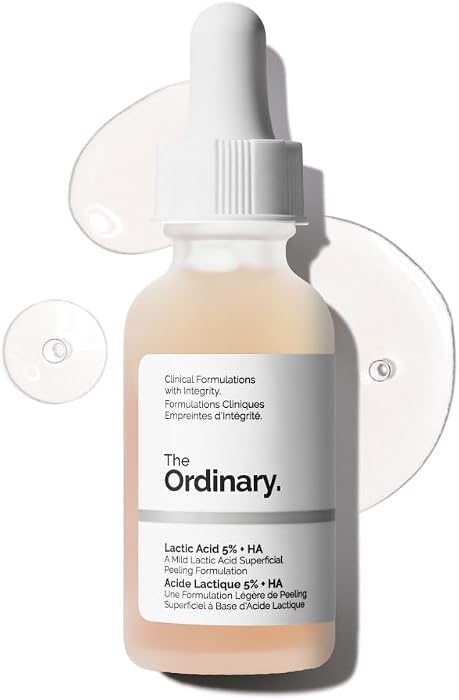
The Ordinary Lactic Acid 5% Best Overall
Key details

Packaging Type
Glass dropper bottle
Leave-On Or Mask
Nightly leave-on
Lactic Acid Strength
5%
Fragrance-Free Formula
Fragrance-free
Check Price on Amazon

Five percent lactic acid clears dead surface cells without the sting of higher-potency formulas, and the hyaluronic acid plus Tasmanian pepperberry buffer keeps the experience comfortable enough for nightly use. The formula stays focused on exfoliation and hydration rather than a long list of actives, which keeps the risk of irritation lower. The water-based serum sinks in quickly and leaves no tacky film, so it layers under moisturizer without pilling. It works on dullness and rough texture gradually, making it the sensible counterpoint to the luxury treatments in this set that chase faster, more dramatic resurfacing.

Skin that reacts to stronger acids tends to tolerate this concentration well, with smoother texture and more even tone appearing after consistent use. The lightweight texture absorbs fast, and the pepperberry anti-irritant is what separates it from a plain acid toner. A little goes a long way, and the water-light consistency means it never feels heavy under sunscreen or makeup. Buyers who want a dramatic peel effect will find it too mild, but that same restraint is why it fits a nightly routine.

This suits an AHA beginner, someone with sensitive or dry skin, or a budget-conscious buyer who wants a nightly exfoliant they can actually stick with. It can feel drying, and daily sunscreen the next morning is effectively mandatory, so buyers unwilling to commit to that aftercare should look elsewhere. Those who have never used an AHA before will find the 5% strength easier to schedule into a nightly routine than a 10% or 12% formula. For anyone who has been burned by stronger acids, this is the version that makes nightly exfoliation sustainable.

Pros

  • Gentle enough for nightly use, even on sensitive or dry skin.
  • Eases rough texture and leaves skin softer over time.
  • Improves clarity and brightness without a harsh sting.
  • Effective exfoliation at a budget-friendly price.

Cons

  • Can feel drying, so it works best with a moisturizer layered over it.
  • Daily sunscreen the next morning is effectively mandatory, which some routines may resist.
Our verdict

For a first lactic acid serum, this is the one to start with — sensible, affordable, and built for consistency rather than drama.

Check Latest Price
2

Sunday Riley Good Genes Best for Fast, Visible Results

Key details

Packaging Type
Glass pump bottle
Leave-On Or Mask
Nightly leave-on
Lactic Acid Strength
—
Fragrance-Free Formula
Fragrance-free
Check Price on Amazon

Where the top pick takes the low-risk nightly route at a buffered 5%, Good Genes chases speed: high-potency purified lactic acid paired with licorice root, aimed squarely at dark spots and uneven tone.

Resurfacing is the headline strength, and it lands as smoother, silkier skin and a visibly brighter, more even complexion rather than a subtle overnight shift. The lightweight texture carries a light fragrance and layers cleanly under moisturizer, so it slots into an evening routine without a heavy finish.

This fits results-driven buyers treating dark spots and dullness who will pay a luxury premium and take the tingle that accompanies a stronger acid. Sensitized skin and first-time acid users are the wrong audience — tingling can escalate to stinging — and bottles can run out faster than the price suggests, which makes cost per use worth weighing.

💡 Start with alternate nights and build toward daily use — the tingle should settle as your skin adjusts.

Pros

  • Smooths and resurfaces skin noticeably, with a silkier feel that shows up quickly.
  • Evens tone and fades the look of dark spots with consistent use.
  • Light, pleasant fragrance and a texture that layers under moisturizer without pilling.

Cons

  • Bottle can empty within a couple of weeks of nightly use, pushing cost per use higher.
  • Tingle can escalate to stinging on sensitized or compromised skin.
Our verdict

For buyers chasing fast, visible brightening and willing to accept a luxury price and a genuine tingle, this is the strongest resurfacing formula in the set. Anyone who wants an every-night, no-fuss routine is better served by the lower-percentage pick.

Check Latest Price
3

Biossance Lactic Acid Serum Best for Dry and Sensitive Skin

Key details

Packaging Type
Pump bottle
Leave-On Or Mask
Nightly leave-on
Lactic Acid Strength
10%
Fragrance-Free Formula
Fragrance-free
Check Price on Amazon

Ten percent vegan lactic acid carried on a squalane base separates this Biossance serum from the low-percentage formulas that anchor the category. Where the top pick in this set relies on 5% acid buffered for nightly use, Biossance leans on squalane to cushion the stronger dose, so dry skin gets resurfacing without the tight, stripped feeling that can follow an acid step. Clover extract rounds out the formula with defense against UV, blue light, and pollution.

It suits dry or dehydrated skin that wants exfoliation and moisture in the same step, and buyers who prefer squalane-based vegan formulas for the face, neck, and décolleté. Two to three pumps at night is the intended rhythm. A sensitive nose may want to sample before committing, since a bottle can arrive smelling stale or different from a store tester, and anyone shopping primarily on cost will find cheaper lactic acid elsewhere in this set.

Pros

  • Squalane base cushions the 10% dose so dry skin gets resurfacing without a stripped finish
  • Visible smoothing of rough texture with regular nightly use
  • Silky finish that layers under a night cream without pilling

Cons

  • Brief tingling can occur on application, especially over a compromised barrier
  • A bottle can arrive with a stale or aged scent unlike a store tester
Our verdict

For dry skin that wants a stronger nightly acid and can leave the lowest price to someone else, squalane is what makes the 10% dose liveable through winter.

Check Latest Price
4

ArtNaturals Lactic Acid Best Budget Alternative

Key details

Packaging Type
Dropper bottle
Leave-On Or Mask
Nightly leave-on
Lactic Acid Strength
—
Fragrance-Free Formula
—
Check Price on Amazon

The lowest-cost way into a leave-on lactic acid routine in this set, built on a vegan, plant-based formula that exfoliates and hydrates in the same step. Where the top pick leans on hyaluronic acid and a pepperberry anti-irritant to buffer the acid, this one keeps the ingredient list short and the price budget-friendly, so testing an AHA does not require committing to a premium bottle. Dry skin gets the most from that dual action: the serum layers under moisturizer without leaving a tight, stripped feeling behind.

Made for shoppers who want to see how their skin responds to daily lactic acid before spending more, and for dry skin that wants exfoliation and moisture from one product. The buyer history behind it is shallower than the category leaders, which matters if a long record of feedback is what you weigh before buying. It is not the choice for anyone chasing a documented high-percentage resurfacing result.

Pros

  • Exfoliates and hydrates in one step, which suits dry skin especially well
  • Vegan, plant-based formula with no animal testing
  • Perceived quality holds up against pricier brands in its category

Cons

  • No disclosed resurfacing percentage, so it suits gradual nightly use rather than a dramatic high-strength routine
Our verdict

A sensible first lactic acid serum for dry or curious skin — try it to find out whether nightly exfoliation suits you, then step up in strength only if you want more.

Check Latest Price
5

DRMTLGY Lactic Acid 12% Best for Experienced Acid Users

Key details

Packaging Type
Dropper bottle
Leave-On Or Mask
15-minute mask option
Lactic Acid Strength
12%
Fragrance-Free Formula
—
Check Price on Amazon

DRMTLGY combines 12% lactic acid with gluconolactone PHA and licorice root, a build aimed at refining texture and evening tone in one step rather than across two separate products. The milky concentrate suits experienced acid users who already know their tolerance level. It carries a premium price, and with owner documentation thin, the purchase rests on the ingredient deck rather than a body of accounts. Sensitive skin gets a workable path only as a timed rinse-off mask, not a nightly leave-on.

💡 Sensitive or reactive skin is better served using this as a 15-minute mask you rinse off rather than an overnight leave-on step.

Pros

  • 12% lactic acid with gluconolactone PHA refines texture and tone in a single step
  • Licorice root adds brightening support for dark spots and uneven tone

Cons

  • Premium pricing puts it above the entry-level 5% formulas that leave more room for error
  • Application tingling can tip into stinging on sensitized or reactive skin
Our verdict

A fit for experienced acid users stepping up from a 5% formula and chasing hyperpigmentation or rough texture, provided they already know how their skin reads lactic acid.

Check Latest Price
6

Drunk Elephant Protini Resurf Best for Peptide Anti-Aging

Key details

Packaging Type
Pump dispenser
Leave-On Or Mask
Leave-on, face and chest
Lactic Acid Strength
10%
Fragrance-Free Formula
Fragrance-free, silicone-free
Check Price on Amazon

The formula combines 10% lactic acid with a signal peptide complex, so resurfacing and firming arrive in a single step without fragrance or silicones that could aggravate a reactive complexion. Buyers specifically after that combined approach get a well-regarded texture and results that hold up. It lands below the top pick because the packaging is the weak point rather than the chemistry: pump action can stop feeding product partway through the bottle, and the top or handle can crack, trapping what remains. The peptide-and-acid pairing is sound; the dispenser is the compromise you accept.

Pros

  • Combines 10% lactic acid with peptides, so exfoliation and firming come in one step
  • Fragrance-free and silicone-free base suits routines that avoid added irritants

Cons

  • Bottle top or handle can crack, trapping product inside
  • Pump action can stop dispensing partway through, stranding the remaining serum
Our verdict

A fit for anyone who wants exfoliation and peptide firming in one fragrance-free step, provided they can accept packaging that may not outlast the bottle.

Check Latest Price

How to Choose Lactic Acid Serums

Concentration: 5% Versus 10-12%

Lactic acid works by loosening the bonds that hold dead cells to the surface, and the percentage determines how many acid molecules are available to do that at once. A 5% formula clears dullness gradually across weeks; a 10-12% formula does the same work faster and with a narrower margin for error.

The consequence shows up on sensitized skin. Higher concentrations push the formula toward a more active pH and raise the odds of stinging, redness, and a barrier that takes days to settle. For nightly use, 5-10% is where most people land; reserve 12% for skin that has already tolerated a lower strength for a month or more.

Hydrators and Anti-Irritants

Exfoliating acids are drying by nature, so the ingredients listed after lactic acid matter as much as the acid itself. Hyaluronic acid pulls water into the upper layers and squalane lays a light seal over it, which offsets the tightness that follows an AHA.

Anti-irritants such as Tasmanian pepperberry or licorice root work differently — they dampen the inflammation response rather than adding moisture. If your skin runs dry or reactive, a buffered formula with both is easier to use consistently than a bare high-percentage acid.

Fragrance-Free Formulations

Fragrance and essential oils are common triggers for contact irritation, and they sit on top of a barrier you are already thinning. A serum that smells pleasant can be the reason your cheeks sting three nights in a row.

Fragrance-free does not mean scentless. Some formulas carry a natural base note from their raw materials, and that is not the same as added perfume. Check the ingredient list for parfum, limonene, and linalool rather than trusting the front label.

Packaging That Keeps Working

Lactic acid oxidizes when it meets air and light, and the container controls how much of both reach the formula. An airless pump limits exposure and dispenses a measured dose; a dropper exposes the liquid each time you open it but lets you control the exact amount.

The failure mode buyers rarely anticipate is mechanical. A pump that jams or a cap that cracks halfway through the bottle strands product you paid for, which is why dispenser durability matters more at premium prices where the formula is expected to last months.

Nightly Leave-On Use Versus Masking

A leave-on serum keeps the acid in contact with your skin for hours, which is why the concentration stays modest and the formula is buffered. A mask delivers a stronger concentration but limits contact to roughly fifteen minutes before rinsing.

The trade-off is control versus intensity. Leave-on suits anyone building a routine who wants gradual, predictable results. Masking suits experienced users who want a stronger resurfacing step without committing their whole barrier to it.

Frequently Asked Questions