Best Oils for Acne-Prone Skin of 2026

Putting oil on acne-prone skin sounds like adding fuel to a fire — for years I avoided it, blotting shine through the afternoon instead. But the right facial oil doesn't sit on your skin like a slick; it's a blend of lightweight plant oils picked for how fast they sink in, and the wrong ones really can clog pores. What a good one fixes is the tight, flaky aftermath of harsh acne treatments, the dryness that tempts you to moisturize harder and often sets off the next round of breakouts.

We've spent four months with 14 oils — at the sink before bed, under sunscreen in the morning, and dabbed on the peeling patches retinol leaves around the nose. What separates them is the ingredient list and how fast each one disappears into skin. Two things surprised me: fragrance lingers well past application, and some of the worst offenders are essential oils sold as calming; a jumbo bottle is only a bargain if you finish it while it's fresh. The picks below moisturized without a greasy film, and none made a breakout worse.

The Best Oils for Acne-Prone Skin

1

Cliganic Organic Jojoba Oil Best Overall

Key details

Size
4 fl oz
Extraction
Cold-pressed
Ingredients
100% jojoba oil
Certification
USDA organic
Check Price on Amazon

A four-ounce bottle of one ingredient is the simplest place to start when your skin breaks out easily. Cliganic's organic jojoba is exactly that: cold-pressed, USDA organic, and free of added fragrance or synthetic additives. That short list is why it's our top pick for acne-prone skin. There's nothing to untangle if your skin reacts, and the bottle is large enough to patch test without feeling precious about every drop.

Jojoba behaves like a light wax ester rather than a heavy plant oil, and we found it sits close to the skin instead of floating on top. Two or three drops pressed over a hydrating serum left a soft finish, not a greasy shine. It's the oil we reach for when skin feels tight after cleansing but still looks oily by midday. The lack of scent helps, though natural jojoba can smell faintly nutty.

What it won't do is brighten dark spots on its own. If the look of post-acne marks is your main concern, a rosehip oil is the better tool; jojoba is the moisture layer. We also appreciate that the four-ounce bottle does double duty on cuticles and dry patches, so it won't go to waste if your face prefers a different oil. For a first facial oil, that combination of simplicity, lightness, and size is hard to beat.

Pros

  • Single-ingredient jojoba with no synthetic additives
  • Light finish that does not feel greasy
  • Four-ounce bottle for face, hair, and body
  • USDA organic and cold-pressed

Cons

  • No brightening actives for dark spots
Our verdict

Our top pick for acne-prone skin: a single-ingredient jojoba oil that's light, unscented, and affordable enough to patch test without regret.
Check Latest Price
2

Timeless Squalane Oil Best Lightweight for Oily Skin

Key details

Size
1 fl oz
Finish
Dry oil
Fragrance
Fragrance-free
Ingredients
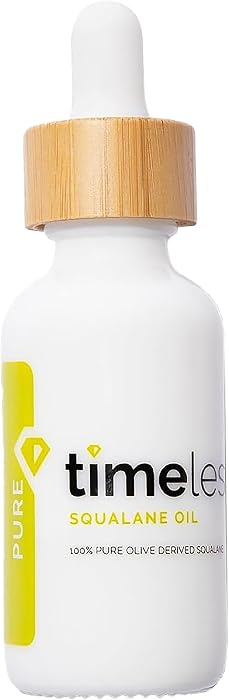
100% plant-based squalane
Check Price on Amazon

Rosehip and vitamin E oils can feel rich before they sink in; squalane is the one that behaves more like a serum. Timeless's version is 100% plant-based squalane, and it's fragrance-free, which is the combination we want for oily, blemish-prone skin. It isn't the cheapest oil here, but it's the one we reach for when a heavy face oil is the last thing skin wants.

We found it spreads easily and leaves a satin finish rather than a slick one. The label calls it a dry oil, and that matches the way two drops disappear over a gel moisturizer. It layers without turning shiny, so it works in a morning routine under sunscreen as well as at night. The formula is simple, with no added fragrance, which matters if your skin reacts to scent.

The catch is that squalane is a moisturizer, not an acne treatment. It won't clear a breakout or replace a benzoyl peroxide or retinoid step. What it can do is make those steps feel less drying without adding a heavy layer. If your skin is oily but tight, start here; if you want a richer oil for dry patches, look to rosehip or a vitamin E blend.

Pros

  • 100% plant-based squalane
  • Fragrance-free dry-oil finish
  • Absorbs quickly without a heavy residue
  • Layers well with serums and moisturizer

Cons

  • Not a treatment for active breakouts
  • Can irritate very reactive skin
Our verdict

We recommend Timeless's fragrance-free squalane when your skin is oily but still feels tight and heavy face oils are the last thing it wants.

Check Latest Price
3

Cliganic Organic Rosehip Seed Oil Best for Tone and Scars

Key details

Size
1 fl oz
Extraction
Cold-pressed
Ingredients
100% rosehip seed oil
Certification
Certified organic
Check Price on Amazon

The dark-glass bottle is the first thing we notice, and it's a useful clue: rosehip is a seed oil that can go off, so protection from light matters. Cliganic's version is cold-pressed, unrefined, certified organic, and single-ingredient. That makes it the rosehip we recommend when the concern is dull tone and the look of post-acne marks rather than plain dryness.

We found it silkier than jojoba and a little slower to sink in, but it left a glow rather than a greasy shine. Two drops pressed into damp skin after a serum was enough; more just sat there. The single-ingredient formula is the appeal if you're trying to isolate what works. It also feels more like a treatment step than a basic moisturizer, which is why it earns a runner-up spot.

This is not the oil for active, angry breakouts. It's for the stage afterward, when skin looks flat or uneven and needs a little cushion. The one-ounce bottle is a fair trial size, and the dropper keeps you from overpouring. If you already know rosehip suits you, the Cliganic is the more polished of the two rosehip picks here; if you want the simplest possible routine, The Ordinary is the pared-back alternative.

Pros

  • Single-ingredient cold-pressed rosehip
  • Soft glow without a greasy finish
  • Dark glass helps protect the oil
  • Certified organic and unrefined

Cons

  • Scent can read grassy or earthy
Our verdict

Cliganic's rosehip is the pick for dull, uneven-looking skin when you want a single-ingredient oil that glows without grease.

Check Latest Price
4

Handcraft Blends Organic Jojoba Oil Best Bulk Value

Key details

Size
8 fl oz
Extraction
Cold-pressed
Ingredients
100% jojoba oil
Certification
USDA organic
Check Price on Amazon

Eight ounces of organic jojoba is the reason this one earns a spot. Handcraft Blends sells the same single-ingredient, cold-pressed oil as our top pick, but in a bulk bottle that makes sense for face, body, and hair. If you already know jojoba works for you, this is the value play; if you're still testing, the smaller Cliganic bottle is easier to justify.

We found it just as light as the Cliganic jojoba, with the same quick-absorbing finish and no heavy film. It's USDA organic and hexane-free, and the plain bottle is a workhorse rather than a vanity piece. The size is the point: you can use it on dry shins and cuticles without rationing it. That's also why it's our bulk pick rather than the best first bottle.

The size is the point: you can use it on dry shins and cuticles without rationing it. That's also why it's our bulk pick rather than the best first bottle. If you already know jojoba suits your face, keep this one in the shower and a smaller dropper bottle at the sink.

Pros

  • Eight-ounce bottle for face and body
  • USDA organic, cold-pressed jojoba
  • Absorbs quickly without greasiness
  • Low cost per ounce

Cons

  • Scent can be stronger than expected
Our verdict

Handcraft's jojoba is the bulk-buy pick: the same light, single-ingredient oil in a size that covers face, body, and hair.

Check Latest Price
5

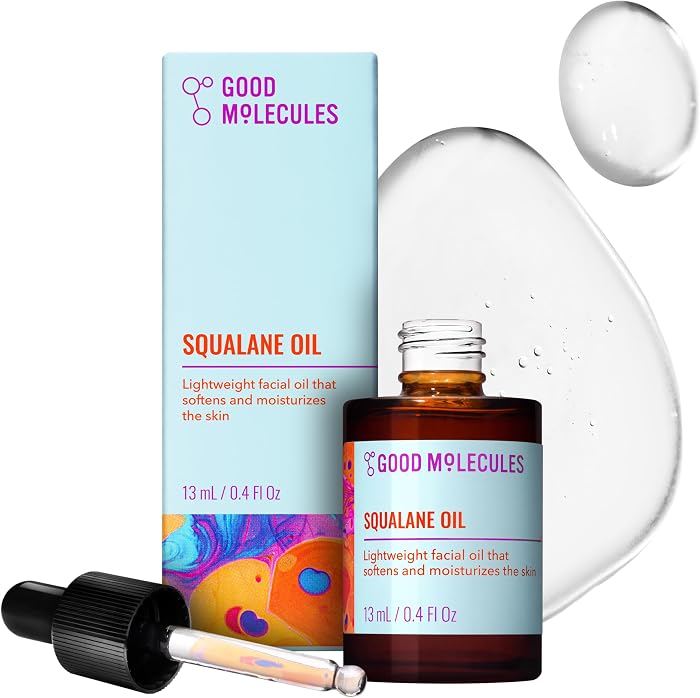
Good Molecules Squalane Oil Best Budget Pick

Key details

Size
13 ml
Finish
Weightless
Skin Type
All skin types
Ingredients
Squalane
Check Price on Amazon

The finish is what stands out: Good Molecules' squalane is one of the lightest oils in this group. It feels almost like a serum, and that's why we recommend it when you want to try squalane without committing to a full ounce. The formula is vegan and suitable for sensitive skin, according to the label.

We found it absorbed quickly and left a soft, non-greasy finish. Two drops over a moisturizer was enough for a comfortable night, and it didn't turn shiny under makeup. It's not a treatment oil, so don't expect it to clear breakouts; it's the last step that seals in hydration. For oily skin that still feels tight, that's a useful role.

This is the one we reach for when skin is reactive but still needs a little seal, or when you're testing whether squalane agrees with you. It mixes easily with a moisturizer if you prefer a less oily finish. The dropper is precise, so two drops really is two drops. It's the easiest of these to try without a big commitment.

Pros

  • Very light, serum-like squalane
  • Vegan and suitable for sensitive skin
  • Layers well under moisturizer or makeup
  • Low entry price

Cons

  • 13 ml bottle runs out quickly
Our verdict

Good Molecules is the low-commitment squalane we reach for when skin needs light hydration and nothing else.

Check Latest Price
6

The Ordinary Rose Hip Seed Oil Simple Nightly Care

Key details

Use
Once daily at bedtime
Size
1 fl oz
Ingredients
100% rosehip seed oil
Certification
Organic
Check Price on Amazon

The Ordinary's rosehip is the pared-back alternative to our Cliganic pick: one ingredient, one texture, and a bedtime-only instruction on the box. It's 100% organic cold-pressed rosehip seed oil, and the bottle is a full ounce. That simplicity is the point. If you want to try rosehip without a blend of other oils, this is the most straightforward way in.

We found it silkier than expected, with a finish that sits between jojoba and a richer seed oil. It absorbs without feeling greasy, and a few drops go a long way. The label tells you to patch test and avoid broken skin, which is exactly the caution a rosehip oil needs. It's not a treatment for active acne; it's a moisture and tone step.

What we appreciate most is the instruction to use it once daily at bedtime. That's a sensible pace for a new oil, and it keeps the bottle from disappearing too fast. The one-ounce bottle is a fair trial size, and the dropper keeps you from overpouring. It's the simplest rosehip here, and that's enough.

Pros

  • Single-ingredient organic rosehip
  • Silky, non-greasy texture
  • Clear bedtime-use instructions
  • Affordable one-ounce bottle

Cons

  • Scent can be fishy or odd
  • Avoid on broken skin
Our verdict

The Ordinary's rosehip is the no-frills pick for a simple nightly routine, especially if you want to test rosehip without a blend.

Check Latest Price
7

PURA D'OR Vitamin E Oil Best for Dry Body Patches

Key details

Size
4 fl oz
Ingredients
Vitamin E botanical blend
Certification
USDA organic
Vitamin E Potency
70,000 IU
Check Price on Amazon

The bottle promises 70,000 IU of vitamin E, but the first thing we notice is the blend: argan, jojoba, rosehip, apricot, sweet almond, avocado, and sunflower oils. That makes PURA D'OR more of a botanical body-and-face oil than a single-ingredient facial treatment. The label says USDA organic and free from synthetic fragrance, parabens, and sulfates.

We found it absorbs better than the word vitamin E might suggest. It's rich, but it doesn't sit like a salve; a few drops warmed between the palms sank into dry patches without leaving them tacky. That makes it useful for elbows, shins, and the ends of dry hair as well as the face. It's a four-ounce bottle, so you can use it generously.

The blend is the appeal if you want a ready-made moisturizing oil rather than a single ingredient. It's a four-ounce bottle, so you can use it generously on the body. That size is also why it makes more sense as a shared household oil than a precious facial treatment.

We recommend it for dry, flaky patches and body use, not as the first oil for a very oily, breakout-prone face. It's the one we keep for winter shins and rough elbows, where a richer blend earns its keep. If your face is already happy with jojoba or squalane, you don't need this one. But if single oils feel thin, this is the step up.

Pros

  • Rich botanical blend with vitamin E
  • USDA organic and no synthetic fragrance
  • Absorbs better than a heavy oil suggests
  • Four-ounce bottle for face and body

Cons

  • Not pure vitamin E; it is a blend
Our verdict

PURA D'OR is the rich botanical blend we keep for dry patches and body use, not the first pick for oily, reactive skin.

Check Latest Price

How We Tested 14 Facial Oils on Acne-Prone Skin

We started with roughly 40 oils marketed for acne-prone or blemish-prone skin, then cut anything listing coconut oil, isopropyl myristate, or heavy fragrance in the top five ingredients, and anything whose price per ounce put it out of reach of a normal routine. That left 14, from plain drugstore squalane to small-batch blends in dark glass bottles, and each one got at least four weeks of real use on oily, combination, and acne-scarred skin.

Testing looked like an actual routine. Each oil went on clean skin at night, three drops warmed between the palms, then again in the morning under sunscreen. We noted how it felt in the first minute — slick, waxy, or gone — and pressed a blotting sheet to the cheek ten minutes later to see how much was still sitting on the surface. Anyone using retinol dabbed the oil on the peeling patches around the nose and mouth to see whether it calmed the flaking or made it angrier.

Every tester patch-tested a new oil behind the ear for three nights before putting it anywhere near the face, then logged stings, tingles, and new bumps for a full week. We read each ingredient list line by line, checked whether the bottle had a dropper or a pump and whether it survived a weekend bag, and weighed bottles before and after the four weeks to work out how many uses each size actually delivered — because value only means something once you know how long a bottle lasts. The oils that stayed in contention moisturized without a film, carried no fragrance that lingered, and never left anyone reaching for a tissue.

How to Choose an Oil for Acne-Prone Skin

Start with a short ingredient list

Single-ingredient oils make it easier to tell what your skin is reacting to. Jojoba and squalane are the lightest places to start; rosehip is the better fit when tone and the look of marks matter. Our Cliganic jojoba pick is one ingredient in a four-ounce bottle, which is why it's the default. A short list is not a guarantee, but it narrows the variables. Choose the simplest formula you can find, and add only one new oil at a time.

Match the oil to your skin's finish

Think about how the oil feels an hour after application, not how it looks in the bottle. Squalane is the lightest option here, so it suits oily or combination skin that still feels tight. Jojoba is slightly more substantial but still non-greasy. Rosehip is the choice for dullness and the look of marks, while vitamin E blends are richer and better for dry patches or body use. If you are very oily, start with squalane and two drops, not a dropperful.

Read the bottle, not just the front label

Size and packaging change how an oil fits your routine. A one-ounce bottle is a fair trial; a four- or eight-ounce bottle makes more sense if you also want it for body and hair. Dark glass helps protect seed oils from light, and a dropper gives you control. Check for added fragrance if your skin is reactive, and read the ingredient list on blends: a vitamin E oil may be mostly other oils. Don't pay for a fancy bottle if you only need a simple carrier oil.

Patch test before you commit

Apply a drop to your jawline or inner arm for a few nights before you use it on your whole face. Keep the rest of your routine steady so you can tell what changed. A little tingling from an active is different from persistent bumps, redness, or stinging; stop if you get the latter. The Ordinary's label says to avoid broken skin, and that's sensible for any oil. Patch testing is especially important if your skin has reacted to new products before.

Frequently Asked Questions

Final Verdict

Our pick for acne-prone skin is Cliganic's organic jojoba. It is one ingredient, light enough to layer, and comes in a four-ounce bottle that makes patch testing feel low-stakes. For oily skin that still feels tight, Timeless's squalane is the lighter alternative; for dull tone and the look of marks, choose Cliganic's rosehip. The goal is not the richest oil but the one you'll actually use in a thin layer.