How to Get Hair Color Off Skin Without Scrubbing It Raw
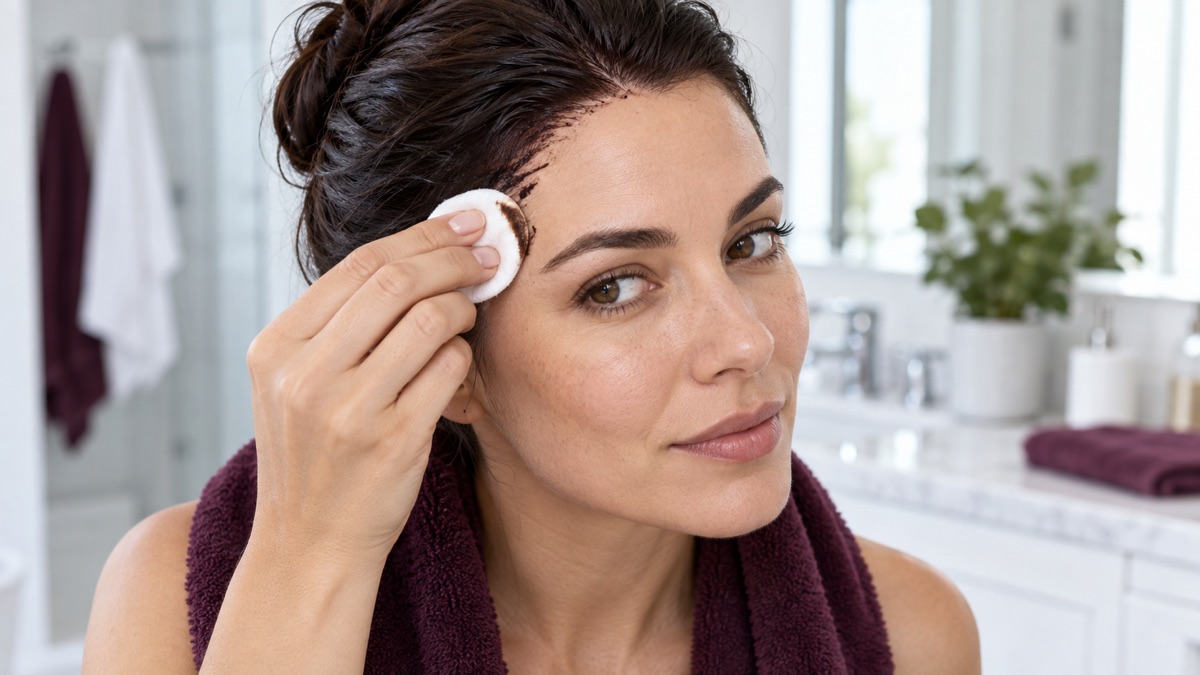
Hair dye on skin looks urgent, but the safest fix is deliberately unexciting: cleanse it quickly, soften what remains with petroleum jelly or a cleansing oil, and stop before the removal attempt irritates your skin more than the stain does.
Fresh color comes off more easily than dried color, so act while the dye is still processing. If the mark has already set, remember that most superficial staining fades on its own over the next few days as skin sheds.
The gentlest method that works
- Step 1Blot away wet dye. Use a damp cotton pad or soft cloth. Do not smear it across a larger area.
- Step 2Wash with a mild facial cleanser and lukewarm water. Massage for 30–60 seconds, then rinse.
- Step 3Work petroleum jelly or cleansing oil over the remaining stain. Let it sit for a few minutes, then wipe gently with a damp pad.
- Step 4Repeat once if needed, then moisturize. If the skin turns pink or feels sore, you are done for the day.
L'Oréal recommends cleanser and petroleum jelly, while also making the most useful point in the whole process: overzealous removal can rub skin raw, and waiting is often safer than escalating.
| Where is the stain? | Use | Avoid |
|---|---|---|
| Hairline or forehead | Facial cleanser, cleansing oil, petroleum jelly | Alcohol, acetone, gritty scrub |
| Ears | Petroleum jelly on a cotton swab, used gently | Pushing product into the ear canal |
| Neck | Cleanser followed by oil or petroleum jelly | Repeated hard rubbing |
| Hands | Soap, cleansing oil, then hand cream | Household bleach or solvent |
| Near the eye | Rinse with plenty of water | Any remover; seek medical advice if irritation persists |
What not to put on your face
Rubbing alcohol, nail-polish remover, household bleach, peroxide, dish detergent, toothpaste, and baking-soda scrubs all appear in DIY advice. They can also strip oil from the skin, cause irritant dermatitis, or create tiny abrasions around the hairline. A pale dye shadow for two days is easier to live with than a red, peeling border for a week.
“Professional dye remover” is not automatically skin-safe either. Products formulated to remove artificial pigment from hair should stay on hair unless their directions explicitly say otherwise.
Stain or allergic reaction?
A stain changes color without changing how the skin feels. Burning, intense itching, swelling, hives, blisters, or weeping skin is a reaction—not a cosmetic cleanup problem. Rinse the product away thoroughly and stop using it. Seek urgent help for trouble breathing or swelling of the lips, tongue, face, or throat; contact a clinician for a persistent or worsening skin reaction.
The FDA advises performing the product's allergy test every time you color, because sensitivity can develop even after previous uneventful use.
How to prevent dye stains next time
- Apply a thin line of petroleum jelly around the hairline, ears, and nape without coating the hair itself.
- Wear the gloves supplied with the kit and keep a damp cloth ready.
- Work in small sections instead of loading the brush with more dye than it can hold.
- Wipe each spot as soon as you see it rather than waiting until processing ends.
- Use an old dark towel and a button-front shirt so cleanup does not become a second emergency.
The bottom line
Cleanser first, petroleum jelly or cleansing oil second, patience third. Stop if the skin becomes irritated, and never trade a temporary stain for a chemical burn. Next time, a thirty-second barrier around the hairline will save the entire cleanup.
Frequently Asked Questions
-
A superficial stain usually fades over a few days as the outer skin cells shed. Dark permanent shades may remain longer around dry areas, but aggressive scrubbing often makes the area look worse.
-
It can help loosen and lift fresh or residual dye while reducing friction. Massage a small amount over the stain, wait a few minutes, and wipe gently with a damp cotton pad.
-
It may dissolve some color, but it can also dry and irritate skin—especially the face and hairline. Cleanser, cleansing oil, or petroleum jelly is a safer first choice.
-
Wash promptly with soap and water, then massage with cleansing oil or petroleum jelly and wash again. Moisturize afterward and let a faint remaining stain fade rather than reaching for household bleach.
-
Apply a thin barrier of petroleum jelly around the hairline, ears, and nape; wear gloves; work in small sections; and wipe drips immediately. Keep the barrier off the hair itself so it does not block color.