15 Clean Beauty Brands Worth Knowing in 2026
A practical list of 15 clean beauty brands across makeup, skincare, body care, hair, and fragrance — plus what each does best and how we defined clean.
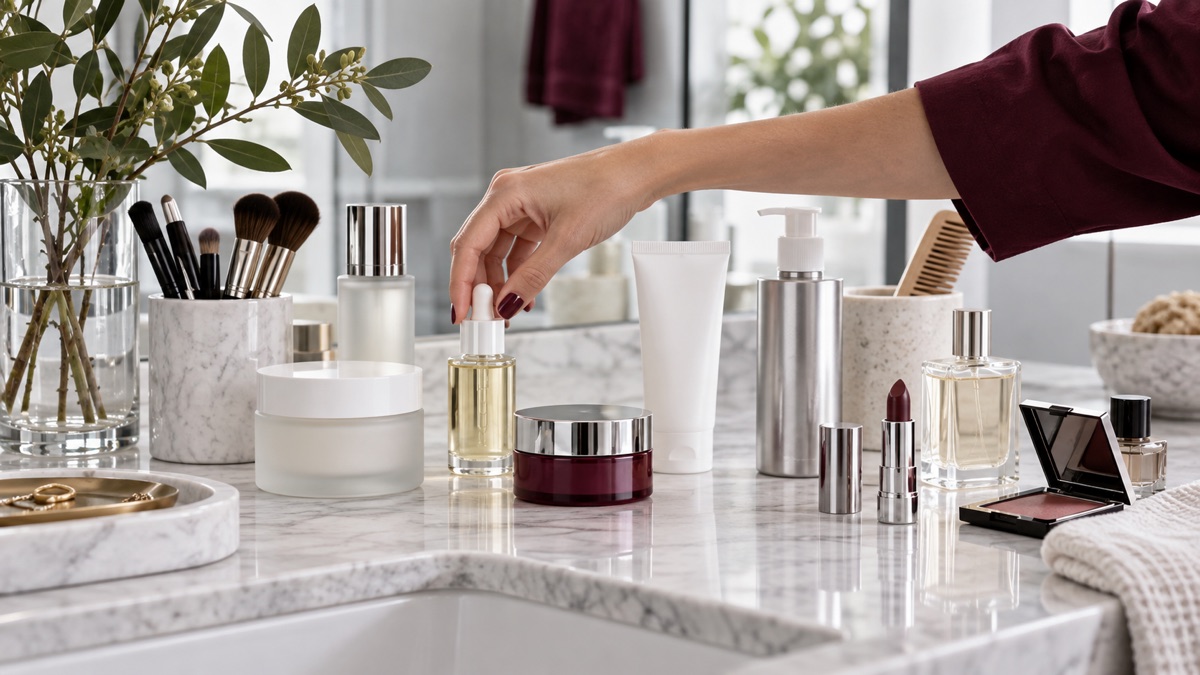
If you searched for clean beauty brands, you probably want names you can shop — not another lecture about how confusing the word “clean” is. Here are 15 brands worth knowing across makeup, skincare, body care, hair care, and fragrance.
We used one consistent entry rule: every brand below is currently carried by Credo, where every product sold has to meet the retailer’s published Credo Standard. That makes this a practical, independently screened starting list. It does not mean every item in a brand’s entire catalog, at every retailer, follows identical rules. Formulas and retailer standards change, so check the exact product before buying.
“Clean” is not a legal safety grade, and inclusion is not a promise that a product will suit your skin. We are comparing brand focus, range, and shopping use — not claiming that these products are safer or more effective than conventional cosmetics.
15 clean beauty brands at a glance
| Brand | Best place to start | Price position | Why it stands out |
|---|---|---|---|
| ILIA | Skin tint and complexion makeup | Prestige | Skin-first makeup with a clear public ingredient policy |
| Kosas | Concealer and everyday color | Prestige | Modern makeup with skincare-style textures |
| Saie | Dewy blush, bronzer, and base products | Prestige | Easy, luminous makeup for a pared-back routine |
| Tower 28 | Lip, cheek, and sensitive-skin-minded makeup | Mid-range | Bright colors and approachable formulas |
| RMS Beauty | Cream color and complexion | Prestige | Polished, compact makeup built around creamy textures |
| Westman Atelier | Luxury cream sticks | Luxury | Streamlined complexion and color products |
| LYS Beauty | Complexion and cheek color | Mid-range | Accessible prestige pricing and a broad makeup wardrobe |
| MOB Beauty | Refillable palettes and pro-style color | Prestige | Customizable formats with refillable packaging |
| OSEA | Body care and face oils | Prestige | A broad body-care range alongside facial skincare |
| True Botanicals | Face oils and treatment serums | Luxury | Concentrated, botanical-led prestige skincare |
| Tata Harper | Luxury botanical skincare | Luxury | A full ritual for shoppers who prefer botanical-heavy formulas |
| Pai Skincare | Simple routines for reactive-feeling skin | Prestige | A focused cleanser, moisturizer, oil, and treatment range |
| Nécessaire | Body wash, lotion, and deodorant | Prestige | Minimalist body care with familiar skincare ingredients |
| Innersense Organic Beauty | Shampoo, conditioner, and styling | Prestige | A complete clean-haircare option across textures |
| Henry Rose | Fine fragrance | Prestige | A fragrance-first option with ingredient disclosure |
Clean makeup brands
1. ILIA
Best for: skin tints, complexion products, and natural-looking makeup. ILIA is an easy entry point if you want makeup that behaves like a streamlined skincare-makeup hybrid. The brand publishes its own “Clean at ILIA” policy, discloses the ingredients it avoids, and explicitly says that natural is not automatically good and synthetic is not automatically bad.
2. Kosas
Best for: concealer, brow products, and quick everyday makeup. Kosas leans into comfortable textures and a fresh-skin finish rather than traditional full-glam formulas. It is a sensible first stop for shoppers who want one brand spanning complexion, eyes, brows, lips, and body deodorant.
3. Saie
Best for: dewy cheeks, bronzer, lightweight base, and glow. Saie’s range is especially coherent for a five-minute makeup bag: base, concealer, mascara, brow products, and blendable cheek color. Choose it for a luminous look rather than a powder-heavy or ultra-matte finish.
4. Tower 28
Best for: colorful lip-and-cheek products and shoppers who prefer sensitive-skin-minded positioning. Tower 28 is more playful and accessibly priced than many prestige clean brands. Its sensitive-skin message is useful as a shortlist, but eczema-prone or reactive skin should still patch-test the exact formula.
5. RMS Beauty
Best for: cream blush, highlighter, and compact complexion products. RMS Beauty suits shoppers who like makeup applied with fingers or a small brush and want a polished, softly luminous result. Check individual textures if you have very oily skin, since cream-heavy routines are a matter of finish preference.
6. Westman Atelier
Best for: luxury makeup sticks and a tightly edited routine. Westman Atelier is the splurge option on this list: complexion, contour, highlight, and cheek color are designed to layer in a portable format. The price is high, so it makes most sense when you value packaging, texture, and a compact routine as much as ingredient exclusions.
7. LYS Beauty
Best for: foundation, concealer, pressed powder, and cheek products at a lower prestige price. LYS Beauty offers a fuller traditional makeup lineup than many small clean brands, making it easier to build a complete routine without mixing labels.
8. MOB Beauty
Best for: customizable color and refillable packaging. MOB Beauty is the most system-oriented makeup brand here: choose pans, build a palette, and replace individual shades. It is a strong fit for experienced makeup users who know which colors they will actually finish.
Clean skincare and body-care brands
9. OSEA
Best for: body oils, body moisturizers, and face oils. OSEA is one of the easiest brands here to explore beyond facial skincare, with a body-care range that can form a complete routine. Many formulas are fragranced or botanical-forward, so scent-sensitive shoppers should read each ingredient list.
10. True Botanicals
Best for: prestige face oils and treatment-focused skincare. True Botanicals is aimed at shoppers who want a concentrated, botanical-led routine and are comfortable paying luxury prices. Start with one treatment rather than buying an entire regimen before you know how your skin responds.
11. Tata Harper
Best for: elaborate botanical skincare rituals. Tata Harper has cleansers, masks, essences, serums, and moisturizers for shoppers who enjoy a multi-step routine. Botanical density and fragrance can be a drawback for reactive skin, even when the formula meets a clean standard.
12. Pai Skincare
Best for: a smaller, easier-to-navigate facial skincare routine. Pai is a useful counterpoint to the maximalist botanical brands: shoppers can begin with a cleanser, moisturizer, or face oil without committing to many steps. As with every brand here, “for sensitive skin” is not a guarantee against an individual allergy.
13. Nécessaire
Best for: modern body wash, body lotion, deodorant, and scalp care. Nécessaire treats body care like facial skincare, with familiar formats and an understated look. Fragrance-free options make the range easier to shop for people who prefer no added scent, but check the exact variant.
Clean hair and fragrance brands
14. Innersense Organic Beauty
Best for: a complete shampoo, conditioner, and styling routine. Innersense offers more depth than a beauty brand with one token shampoo, including products for hydration, definition, hold, and scalp care. Hair porosity, texture, and styling goal matter more than the clean label when choosing within the line.
15. Henry Rose
Best for: shoppers who want fragrance inside a clean-beauty framework. Henry Rose adds a category often missing from clean-brand lists: fine fragrance. Because fragrance itself can trigger sensitivity, transparent disclosure helps comparison but does not make a scent irritation-proof.
Which clean beauty brand should you choose?
| If you want... | Start with... |
|---|---|
| An easy everyday makeup bag | Kosas, Saie, or Tower 28 |
| A skin tint or complexion-first routine | ILIA or LYS Beauty |
| Luxury cream makeup | Westman Atelier or RMS Beauty |
| Refillable color | MOB Beauty |
| Body care | OSEA or Nécessaire |
| Botanical prestige skincare | True Botanicals or Tata Harper |
| A simpler skincare range | Pai Skincare |
| Hair care | Innersense Organic Beauty |
| Fine fragrance | Henry Rose |
What “clean” does — and does not — tell you
There is no federal definition of “clean,” “natural,” or “non-toxic” for cosmetics. A clean label usually means a brand or retailer applied an excluded-ingredient list. Different programs exclude different ingredients, so the term is only useful when the standard is published and you can see who applied it.
“Organic” is more specific when a product actually carries USDA certification. The FDA explains that cosmetics made with agricultural ingredients can qualify under USDA organic rules, but the FDA itself does not define organic cosmetics. Organic certification describes agricultural sourcing and processing; it is not proof that a product will be gentler or work better.
For reactive skin, a concrete property such as fragrance-free is often more useful than a broad clean claim. Dermatologists specifically advise choosing fragrance-free rather than unscented products for rosacea-prone skin. Essential oils and botanical extracts can still irritate, so use our patch-test guide when trying a new formula.
How we selected these brands
- A consistent outside standard: the brand appears in Credo’s current brand directory, and Credo states that every product it sells meets the Credo Standard.
- A useful product identity: each brand has a clear reason to shop it, rather than being included only because it uses clean marketing.
- Range across the beauty aisle: the list includes makeup, skincare, body care, hair care, and fragrance at several price levels.
- No invented safety ranking: we did not treat a longer “free-from” list as proof of a safer product.
Use this as a shortlist, then judge the exact formula by your skin needs, ingredient sensitivities, finish preferences, and budget. If animal-testing policy is your priority, see our separate list of cruelty-free makeup brands; clean and cruelty-free are not interchangeable.
Frequently Asked Questions
-
Good starting points are ILIA, Kosas, Saie, and Tower 28 for makeup; OSEA, True Botanicals, Tata Harper, Pai, and Nécessaire for skincare and body care; Innersense Organic Beauty for hair; and Henry Rose for fragrance. The best one depends on the category, finish, skin needs, and budget you are shopping for.
-
We used one consistent outside screen: every brand on this list is currently carried by Credo, which states that every product it sells must meet the Credo Standard. That does not necessarily cover every product a brand sells through every other retailer, so check the exact item.
-
Not automatically. “Clean” has no single legal definition or universal test. It usually means a brand or retailer applied its own excluded-ingredient list. A conventional fragrance-free formula may suit reactive skin better than a clean product packed with fragrant botanicals.
-
No. Clean usually refers to formula standards, while cruelty-free refers to animal-testing policy. They are separate claims, and vegan is a third claim about animal-derived ingredients. Check each one independently.
-
No. Clean and natural are not standardized cosmetic terms. Organic can be meaningful when a product qualifies for USDA certification, but that certification concerns agricultural ingredients and processing rather than whether the product is more effective or less irritating.
-
Tower 28 and Pai explicitly position many products for sensitive or reactive-feeling skin, while Nécessaire offers fragrance-free options. No brand is universally irritation-proof. Read the exact ingredient list, avoid known triggers, and patch-test before full use.